Most writing about games describes the events. This one describes the gaps between them, with a stopwatch running.
Issue Nine · Lead essay
Twenty-Two Minutes Of Walking And Not One Line Of Dialogue
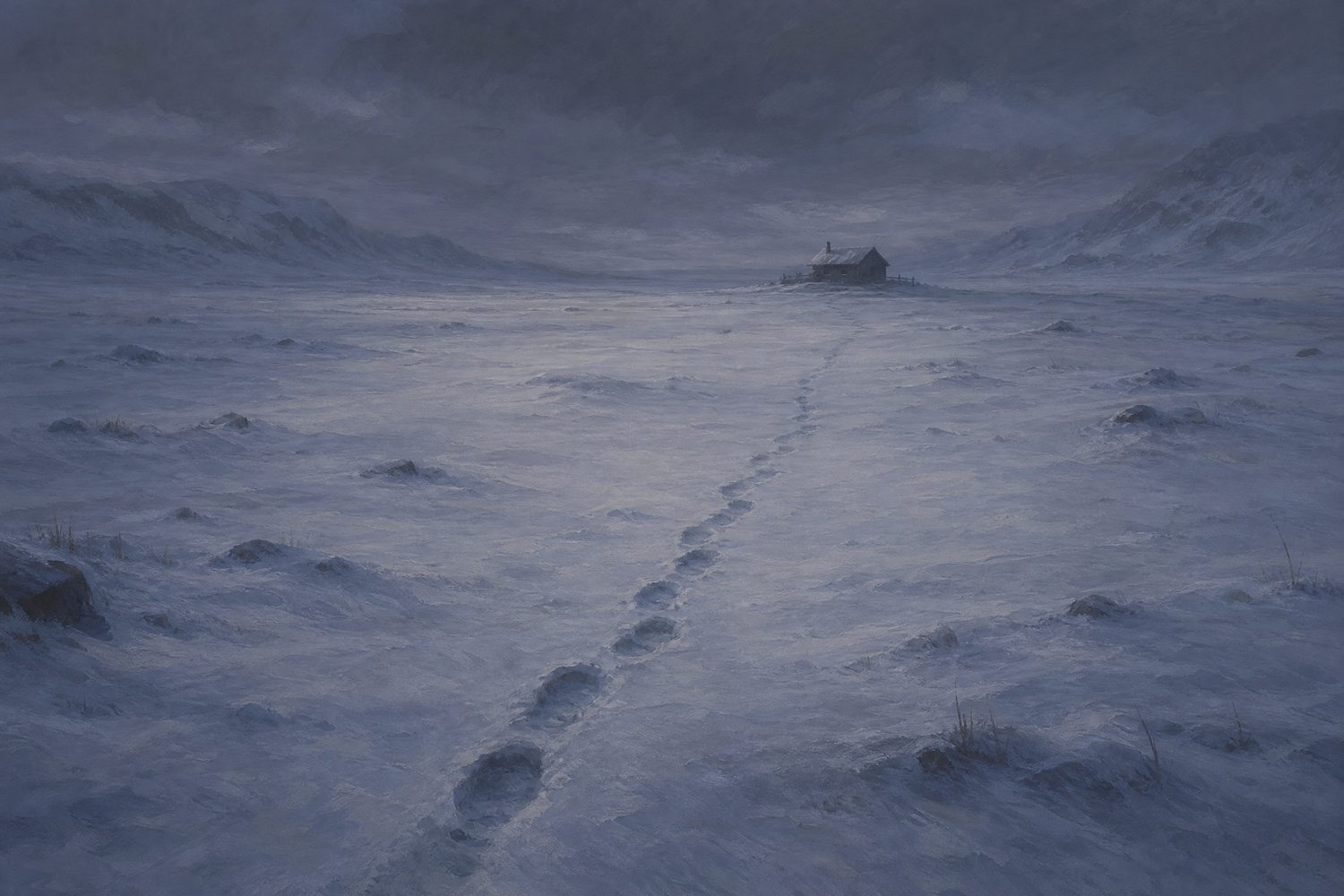
A game asked me to cross a snowfield on foot, gave me no companion, no music, no objective marker and no interruption. I timed it three times. The shortest crossing was nineteen minutes forty. Nothing happened in any of them, and it is the only part of the game I would defend.
The unit of study: a space with something removed from it.
Measured this issue
22:07
The longest uninterrupted stretch we recorded across nine games in which the player has agency, no dialogue is spoken, no music plays and no objective changes. Twenty-two minutes and seven seconds, on foot, in one direction.
How this issue was made
Games examined9
Hours logged226
Silences timed141
Median silence3m 18s
Essays published5
What fills a supposedly empty stretch
Ambient sound only68%
Score fades in before two minutes54%
Unprompted companion line47%
Objective marker appears39%
Nothing at all for five minutes12%
Issue Nine
Five essays, each one about a stretch of a game in which the designer chose to give the player less rather than more.
Every instinct in commercial design says to interrupt this crossing. Put a radio call in it, a wolf, a collectible, a change in the weather. The game does none of that, and the crossing is the reason the arrival lands at all.
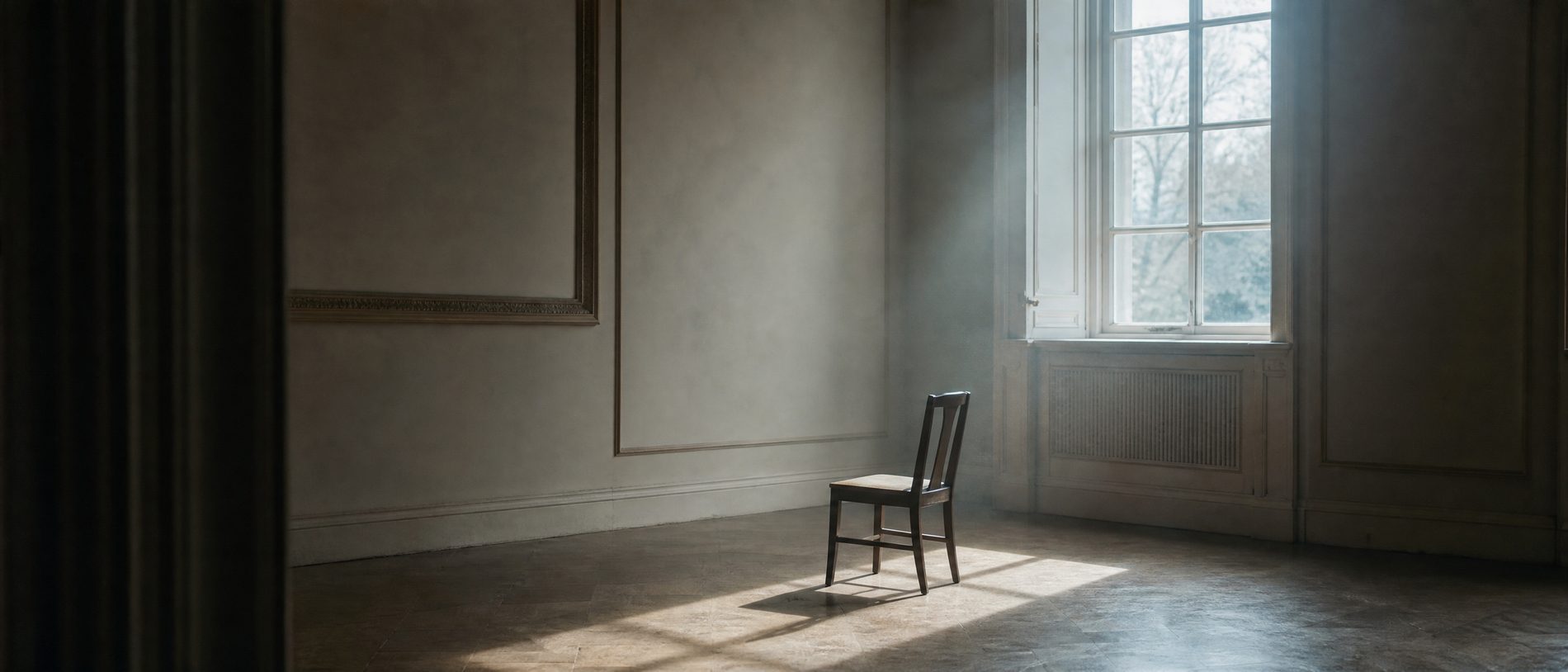
A single bench, a single button prompt, no achievement attached and no timer. Sitting does nothing to the game state. Three of us sat for over eight minutes, and the fact that it changed nothing is precisely why we remember it.
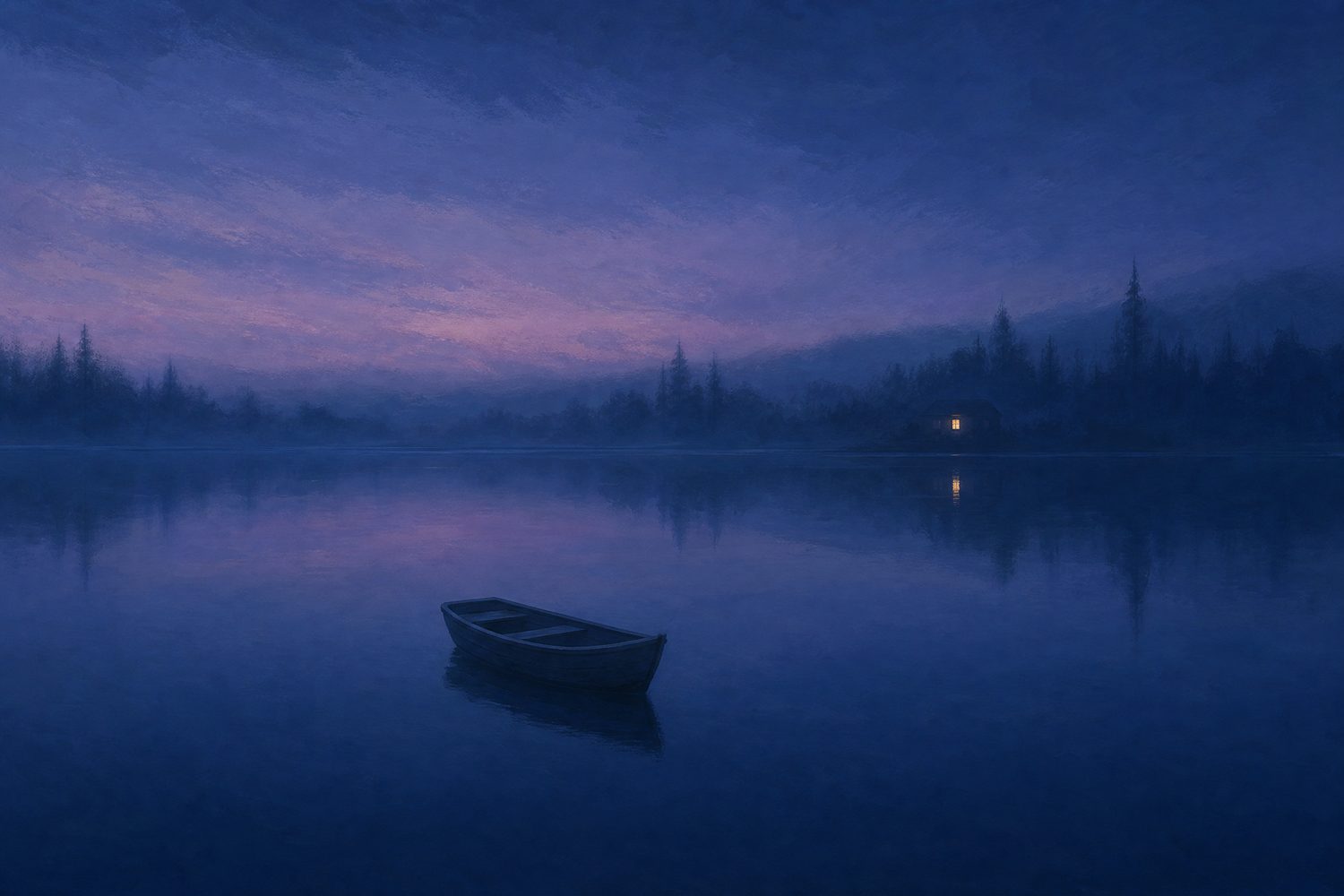
The lake contains no fish, no islands, no encounters and no reward for exploring it. It is a fourteen-minute row from one shore to the other and back, and the game's whole argument about distance depends on the crossing being tedious.
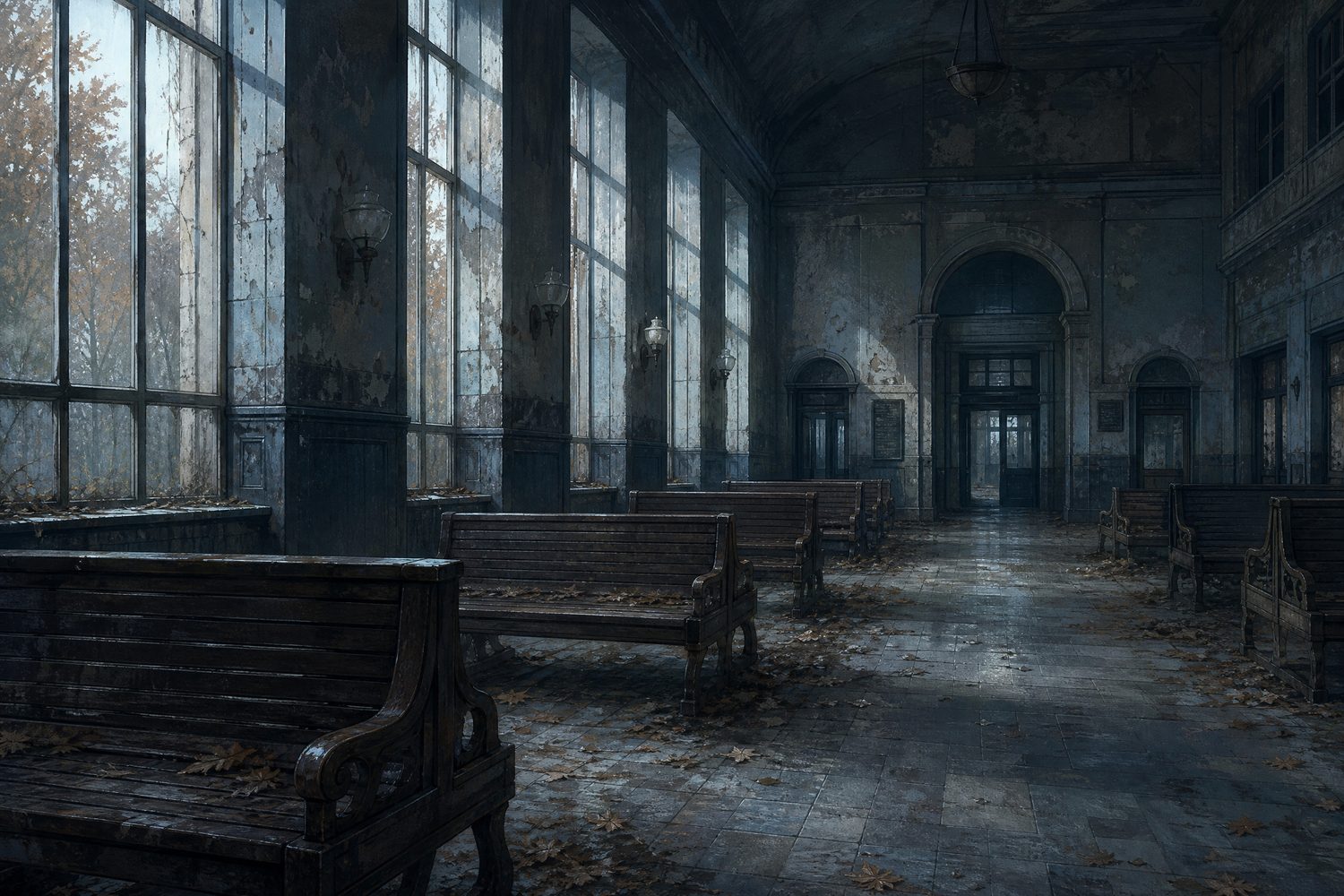
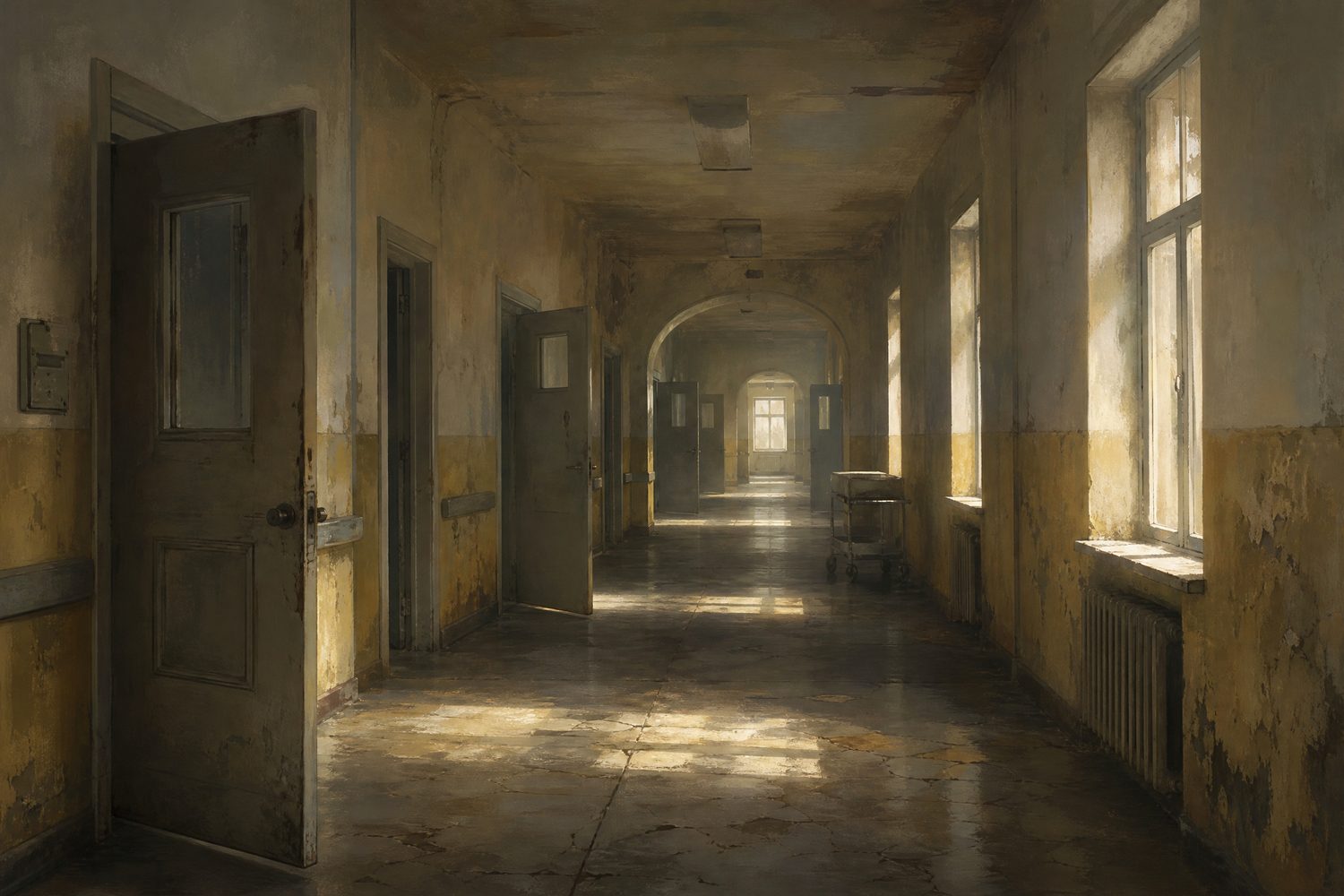
Twenty-two doors, eighteen of them openable, and behind them nothing: no enemy, no note, no key. A horror game that spends seven minutes teaching you it will not jump out at you, then spends the remaining nine hours cashing that in.
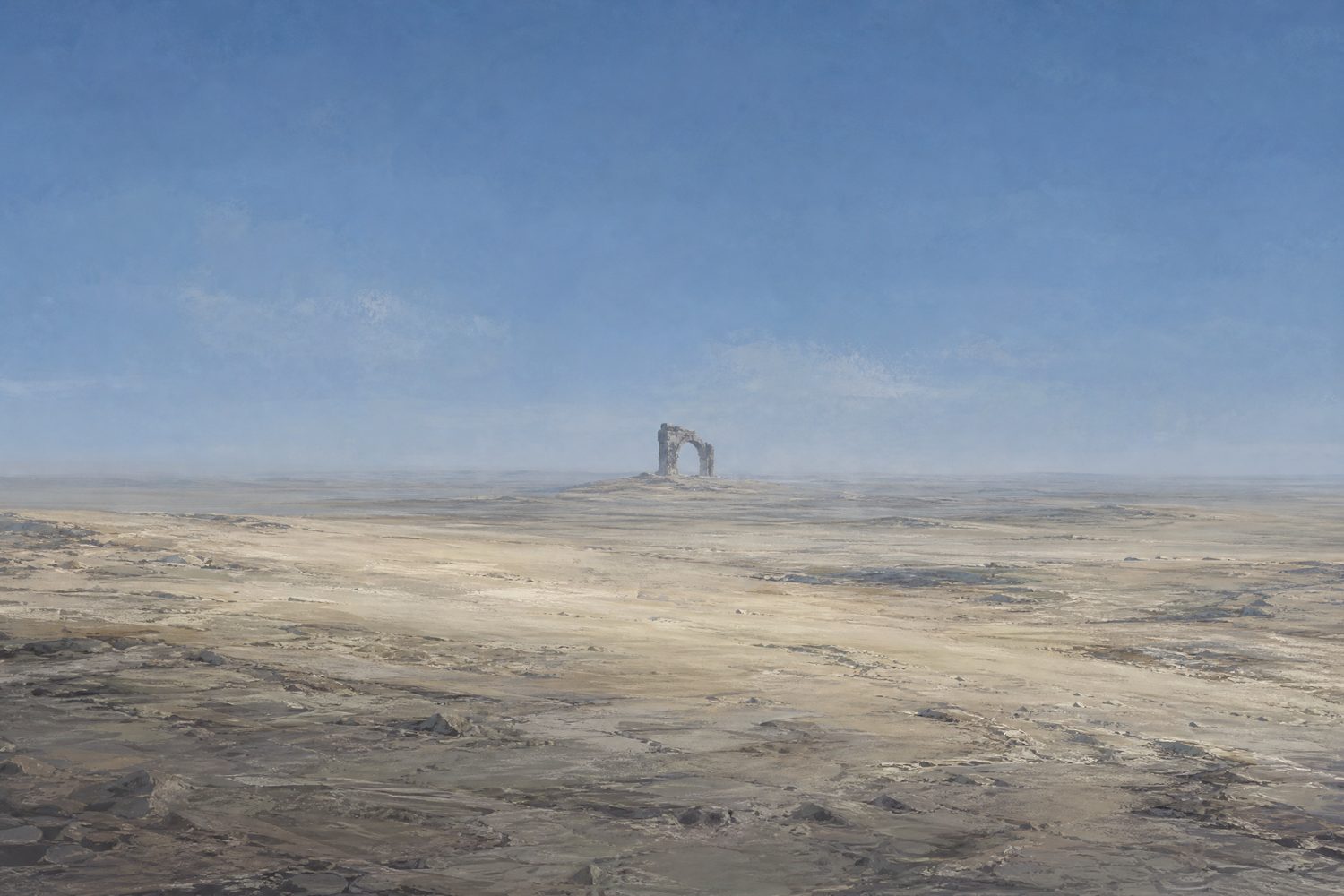
A stone arch on the horizon, visible from the moment you leave the last settlement, and nineteen and a half minutes of flat rock between you and it. The arch is not a quest. Nothing happens when you arrive. Everyone we asked walked to it anyway.
Genre Open worldHours 52Silences timed 28
Why measure this at all
The complaint that a game is empty is usually a complaint about density: not enough happening per minute, not enough to collect, too much ground between two interesting things. It is a fair complaint about a great many games, and it is also the single most reliable way to talk a designer out of the best decision they made.
We started timing silences because we could not otherwise argue about them honestly. Once you have a figure — this crossing is nineteen minutes forty, this corridor is six fifty-five, this game's median gap between spoken lines is fourteen seconds — the conversation changes. It stops being about whether emptiness is good and starts being about how much of it a particular game can hold before its own structure gives way.
A game that never leaves you alone has no way of telling you that being alone matters.
The finding that surprised us most is in the unwritten sixth essay and in the numbers above: only twelve per cent of the stretches we timed managed five full minutes without the game reaching for something. Music fades in. A companion remarks. A marker resolves. Most designers, having built a silence, cannot leave it alone, and we suspect the pressure to fill it does not come from players at all.
The four kinds of gap we time
TraversalMovement with no event
OccupancyStanding still is permitted
AcousticNo score, ambience only
NarrativeNobody speaks or writes to you
A stretch counts for this journal only if the player retains control throughout. Cutscenes, loading and menus are excluded, and so is any gap the game forces on you.